You usually notice the thermostat only when something feels off. The heater stays lukewarm on a cold morning. The temperature gauge takes ages to move. Or worse, it climbs faster than it should and suddenly your calm drive turns into a bonnet-up diagnosis at the roadside.
That’s why so many drivers ask what does a thermostat do in a car only after trouble starts. It’s a small part, tucked away in the cooling system, but it has one job that matters every minute the engine is running: keeping temperature under control. Get that right and the engine warms up properly, runs cleanly, lubricates properly and stays reliable. Get it wrong and a cheap part can trigger a very expensive repair.
The Unsung Hero of Your Engine Bay
Most drivers keep an eye on fuel and oil. Fewer pay attention to engine temperature until the gauge misbehaves. That’s a mistake, because temperature control sits at the centre of how well an engine runs.
The thermostat is the gatekeeper of the cooling system. It decides when coolant stays inside the engine to speed warm-up, and when that coolant gets sent through the radiator to shed heat. In practical terms, it stops the engine from running too cold for too long and stops it from cooking itself when load and heat build.
Why this tiny part matters so much
A healthy engine wants stability. Cold running hurts combustion, lubrication and emissions control. Excessive heat does even more damage. The thermostat helps avoid both extremes by controlling coolant flow rather than letting the system circulate all the time.
Much like a traffic marshal at a busy junction, if it sends coolant the wrong way at the wrong time, the whole system suffers. That’s why a faulty thermostat can turn a perfectly serviceable car into one with poor cabin heat, bad fuel economy, warning lights or overheating.
Practical rule: If the temperature gauge starts behaving differently from normal, don’t ignore it just because the car still drives.
It protects more than comfort
A lot of DIY owners first suspect the thermostat because the heater output drops off in winter. That’s a useful clue, but the underlying problem is more significant than cabin comfort. When the thermostat isn’t working properly, the engine may never settle where it should. That affects how fuel burns, how oil flows and how hard the cooling system has to work.
When things go badly wrong, overheating can warp the cylinder head or damage the head gasket. Repairs from that point aren’t minor maintenance anymore. They’re the sort of bills that make a simple cooling system check look like money well spent.
How Your Car's Thermostat Controls Engine Temperature
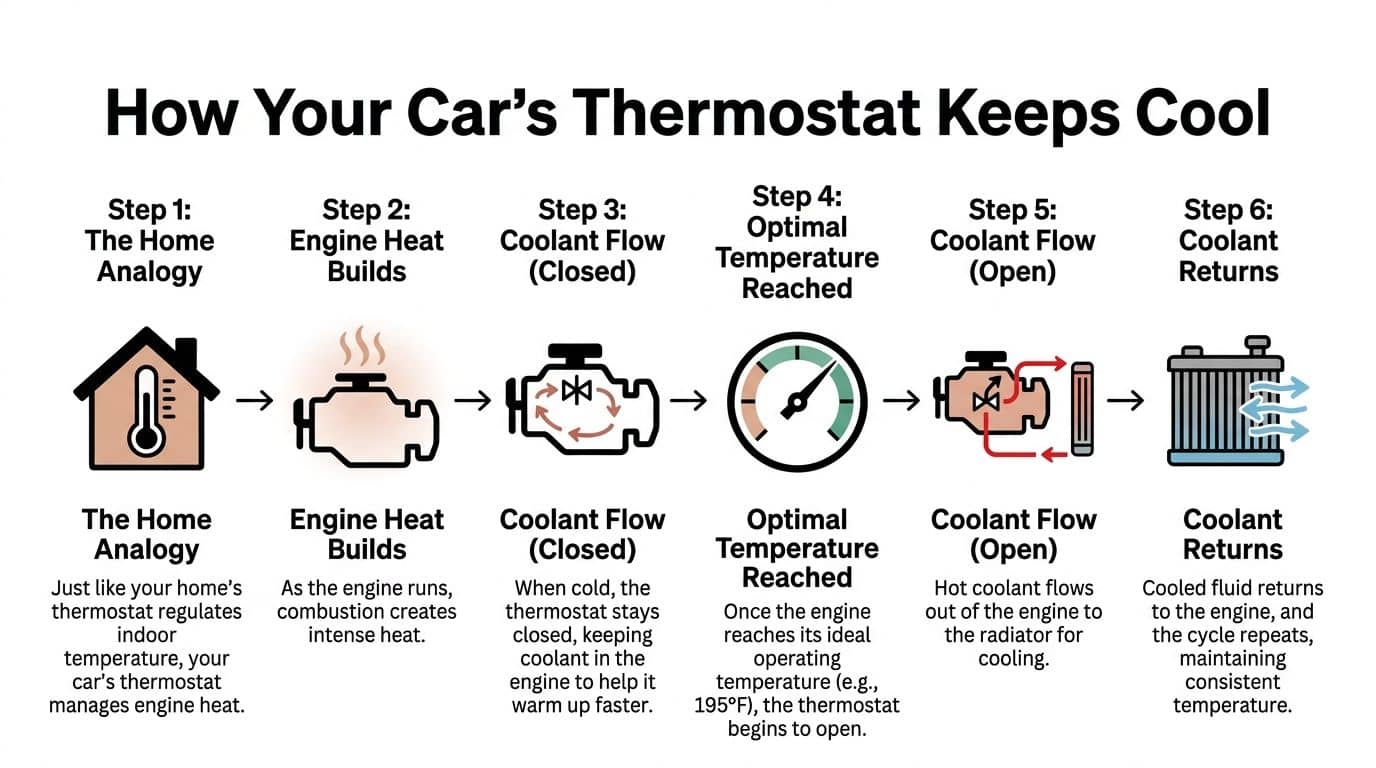
The simplest way to understand a car thermostat is to compare it with the thermostat in your house. Your home thermostat doesn’t create heat. It manages when the heating system should do more or less. A car thermostat works on the same principle. It manages coolant flow so the engine stays in the right temperature range.
Most modern automotive thermostats are designed to open at approximately 82 degrees Celsius, using a wax pellet mechanism that expands or melts with temperature and moves a rod to control flow, as explained in this automotive thermostat overview.
What happens on a cold start
When you start the engine from cold, the thermostat stays shut. That means coolant circulates through a short loop, bypassing the radiator. The point is simple. The engine reaches working temperature faster.
That faster warm-up matters because engines don’t perform at their best stone cold. Fuel doesn’t combust as efficiently, oil doesn’t flow as well, and emissions systems aren’t yet in their ideal zone. By keeping coolant inside the engine at first, the thermostat shortens that inefficient warm-up period.
What happens as heat builds
As the engine temperature rises, the wax pellet inside the thermostat reacts to that heat. It expands and pushes the valve open gradually. This is important. The thermostat isn’t just switching from fully shut to fully open like a light switch. It meters flow.
Once open, hot coolant moves out toward the radiator, where heat is removed before the coolant returns to the engine. That cycle repeats constantly while you drive.
Where it sits and why location matters
On many cars, the thermostat is mounted near the top of the engine, close to the water pump on the cylinder head. A hose from the top radiator route feeds coolant through that area. Knowing that helps when you’re diagnosing faults because it gives you a sensible place to inspect hose temperatures, housing leaks and signs of previous work.
A lot of people think the thermostat somehow controls the fan directly or acts like an electronic sensor. On many vehicles, it’s far more mechanical than that. The clever bit is its simplicity. Heat changes the wax pellet. The pellet moves the valve. The valve changes coolant routing.
A thermostat doesn’t cool the engine by itself. It decides when the radiator gets brought into the job.
Why proper control saves engines
If the thermostat opens too early, the engine can stay too cool for too long. If it doesn’t open when it should, heat has nowhere to go and temperatures rise fast. In both cases the engine loses the stable operating range it depends on.
That’s the answer to what does a thermostat do in a car in plain language. It acts as a temperature-controlled valve that helps the engine warm up quickly, then keeps it from overheating once it’s hot.
Signs of a Failing Thermostat You Cannot Ignore
A thermostat fault rarely announces itself with one neat, obvious symptom. What you usually get is a pattern. The car takes too long to warm up, the heater is poor on a cold morning, or the temperature gauge climbs faster than it should when you are stuck in traffic on the M25 with tools in the back.
The two common failure modes are simple enough. The thermostat sticks open, or it sticks closed. The first usually drains fuel economy and leaves the engine running below its proper temperature. The second can overheat the engine quickly and turn a modest parts job into a cylinder head repair. That is why trade mechanics pay attention to warm-up time and gauge behaviour early, before the job gets expensive.
If coolant is old, contaminated, or at the wrong strength, thermostat problems often show up sooner. That is one reason it pays to keep the cooling system serviced with the correct engine coolant for your vehicle, rather than whatever happens to be on the shelf.
When the thermostat is stuck open
This is the fault owners delay because the car still starts, drives, and feels mostly normal. It is still costing money.
Typical signs are:
Slow warm-up: the gauge stays low for too long on a normal run.
Weak cabin heat: the heater never gets properly hot, especially in winter.
Poor fuel economy: the engine stays cooler than intended, so it runs less efficiently.
Emissions concerns: on some UK vehicles, especially hard-worked vans, low running temperature can make emissions performance worse and make MOT time more awkward.
A stuck-open thermostat is like driving with the choke half on in an older car. The engine never quite settles where it should. You use more fuel, the cabin stays cool, and the fault gets ignored because nothing feels urgent.
When the thermostat is stuck closed
This one needs quicker action. Once the engine is hot, coolant cannot move through the radiator properly, so heat builds where you do not want it.
Common warning signs include:
Fast gauge rise: the needle heads upward sooner than normal.
Overheating under load: traffic, towing, long hills, or a full van make the problem show itself faster.
Coolant pushed out of weak points: pressure rises and small leaks become obvious.
Risk of engine damage: if the temperature keeps climbing, head gasket trouble, warped alloy components, and boil-over are all on the table.
If the gauge is heading into the hot zone, stop and let the system cool. Carrying on to “get home” is how a thermostat job turns into a recovery truck and a much bigger invoice.
Thermostat failure symptoms at a glance
Symptom | Thermostat Stuck Open | Thermostat Stuck Closed |
Warm-up time | Takes too long | Often warms normally, then overheats |
Cabin heater | Weak or lukewarm | Usually hot at first |
Fuel economy | Worse than usual | Not usually the first clue |
Temperature gauge | Stays low or below normal | Climbs high or spikes |
MOT and emissions risk | Higher if the engine runs too cool | Higher if overheating causes wider faults |
Immediate danger | Usually lower | High |
What matters in the workshop
The key skill is spotting the pattern before the failure becomes dramatic. A thermostat that is lazy, sticking intermittently, or opening at the wrong temperature can mimic other cooling issues, so it helps to look at the full picture instead of chasing one symptom in isolation.
For a DIYer, that means paying attention to repeat behaviour on cold starts, school runs, motorway driving, and traffic queues. For a garage, it means catching a cheap part before it knocks on to coolant loss, overheating, poor heater performance, higher fuel bills, or an MOT headache. Early diagnosis is what saves the engine and your wallet.
Simple DIY Checks for Your Car Thermostat
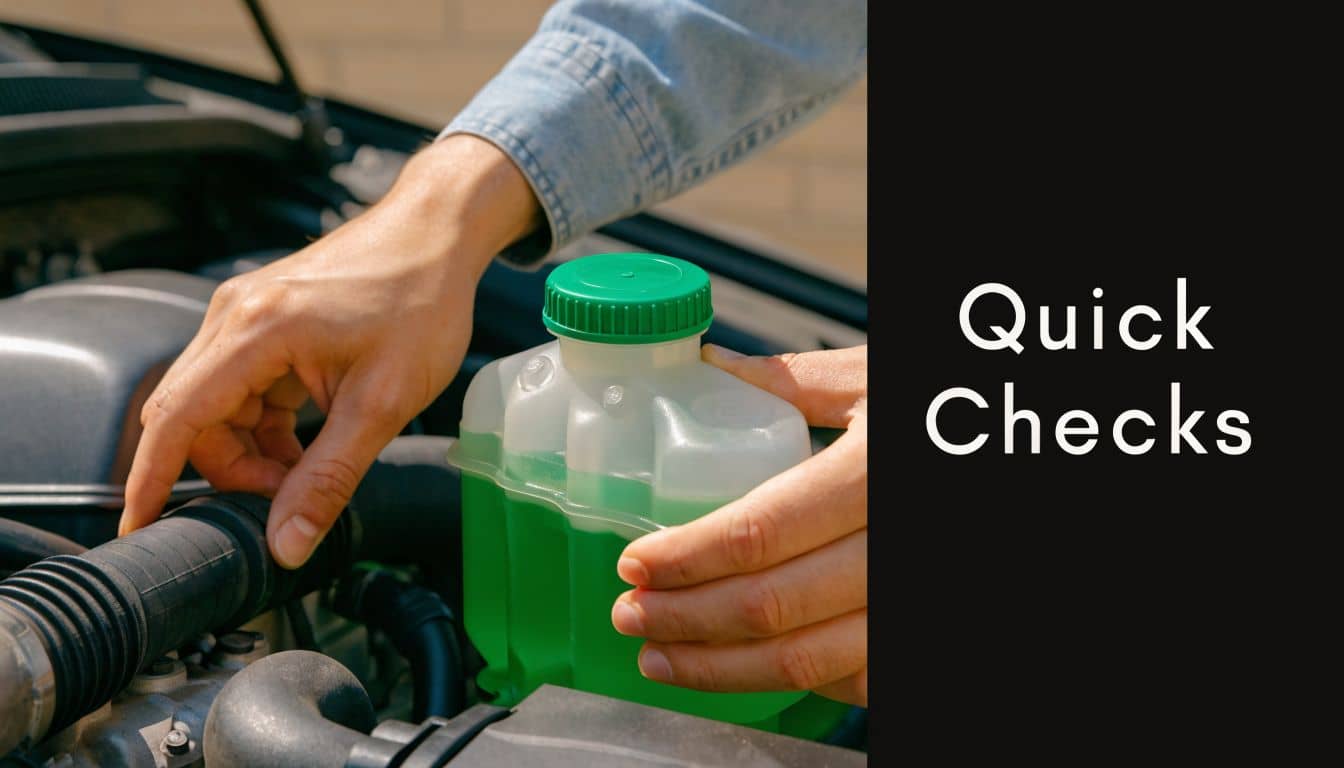
You don’t need a full workshop to form a sensible view. A few careful checks can tell you whether the thermostat is behaving normally or not. The key word is careful. Cooling systems run hot and pressurised, so never undo caps or open housings on a hot engine.
Start with the gauge and the heater
The first check costs nothing. Start the car from cold and watch how the gauge behaves on a normal drive.
You’re looking for patterns, not just one reading:
Too slow to rise: often points to a thermostat stuck open.
Rises then keeps climbing: suggests poor coolant control.
Heater never gets properly hot: often backs up the suspicion of under-temperature running.
Also check coolant level only when the engine is cold. If it’s low, top up with the correct fluid rather than guessing. If you need coolant, use the proper engine coolant options at GSF Car Parts for your vehicle specification.
Feel the hoses carefully
Once the engine has warmed up, you can learn a lot from hose temperature. Use caution and keep clear of belts, fans and pulleys.
A useful rough check is this:
Cold start: the top radiator hose shouldn’t heat immediately.
As the engine warms: there should be a point where flow increases and hose temperature changes noticeably.
If the hose stays cool while the gauge climbs high: that points toward a thermostat not opening properly.
If coolant seems to circulate too early all the time: that can point toward a thermostat stuck open.
This isn’t as precise as workshop testing, but it’s a good first pass.
Use a scan tool if you have one
An entry-level OBD2 scanner is one of the most useful bits of kit a DIY owner can keep in the garage. In modern vehicles, thermostat faults often show up alongside temperature-related fault codes. In the electrified vehicle market, code P0128 is cited as a thermostat stuck-open code in the verified background material, which makes scan data a practical check on newer cars and hybrids.
A visual walk-through can help if you’re new to cooling system diagnosis:
How to Test if Your Car's Thermostat is Working (Without Removing It!!)
Don’t diagnose a thermostat from one symptom alone. Pair the gauge, heater behaviour and hose temperatures before buying parts.
Understanding Modern Thermostat Technology
Modern thermostats can be far more involved than the old wax-pellet valve many DIY mechanics expect. On plenty of current petrol and diesel engines, the thermostat is part of a wider temperature control system that has to balance fuel economy, emissions, cabin heat and component life, all at the same time.
That changes parts selection and fault-finding.
The Society of Motor Manufacturers and Traders tracks the steady rise of electrified vehicles in the UK market, and that shift has pushed thermal management much higher up the job sheet for independent garages and home mechanics alike. You can see the wider market trend in SMMT’s new car registration data and outlook. On newer cars, a temperature control fault is less likely to be a simple case of one valve stuck shut and more likely to involve the housing, sensor input, heater circuit or a related component in the cooling loop.
Electronic control changes the game
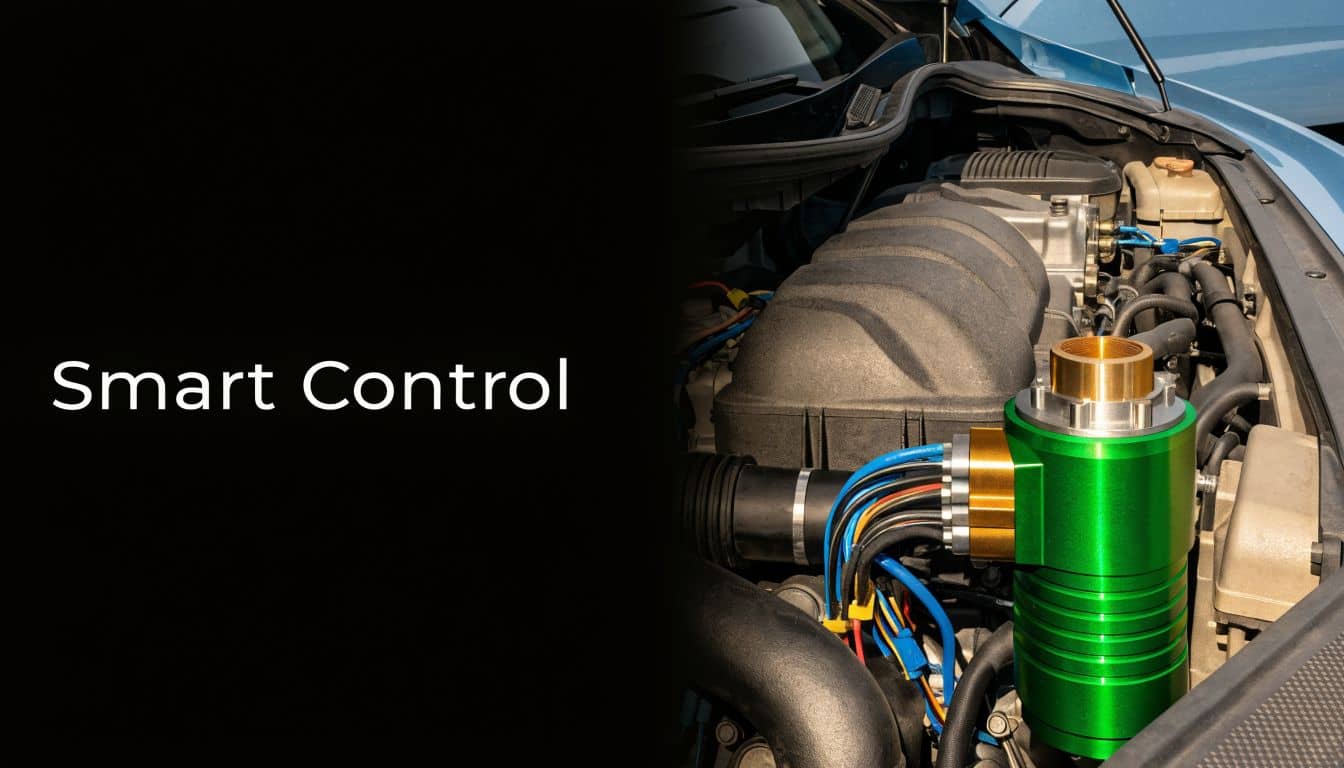
Some modern systems still use a wax element, but with electronic assistance to alter opening behaviour under different operating conditions. Others package the thermostat into a complete housing with sensors and electrical connections. That matters because replacing only the valve can be false economy if the housing is known to warp, leak or fail electrically on your model.
In the workshop, these faults often show up as slow warm-up, unstable running temperature, poor heater performance or a fault code that keeps returning after coolant top-ups. The principle is still simple. The engine needs to reach and hold the right temperature window. The hardware used to do that is what has changed.
A thermostat now works more like a traffic controller than a basic gate. It directs coolant where it is needed, when it is needed, and on some vehicles it does so with help from the ECU. If you are tracing repeat overheating or poor circulation, it also makes sense to inspect related parts such as the cooling system water pump, because weak flow and poor temperature control often arrive together.
Hybrids and EVs still depend on thermal control
Hybrid and electric vehicles still need tight temperature management. The target just shifts. Instead of focusing only on engine warm-up, the system may also be managing battery temperature, inverter cooling and cabin heating efficiency.
That matters in the UK, where cold weather exposes weak thermal management quickly. Which? has reported that EV range can drop sharply in winter conditions, which is one reason proper thermal control matters to running costs as much as reliability. Their cold-weather testing is covered in this Which? guide to how cold weather affects electric car range.
For a DIYer or an independent garage, the practical takeaway is straightforward. Do not assume a thermostat issue belongs only to older combustion engines. On modern vehicles, especially hybrids, temperature management faults can affect fuel use, emissions performance, heater output and drivability. Get the right part, match it to the exact engine or thermal module, and treat the cooling system as a complete circuit rather than one isolated valve.
A Practical Guide to Thermostat Replacement
A thermostat swap can be a tidy Saturday job or an expensive do-over. The difference usually comes down to prep, cleanliness and bleeding the system properly.
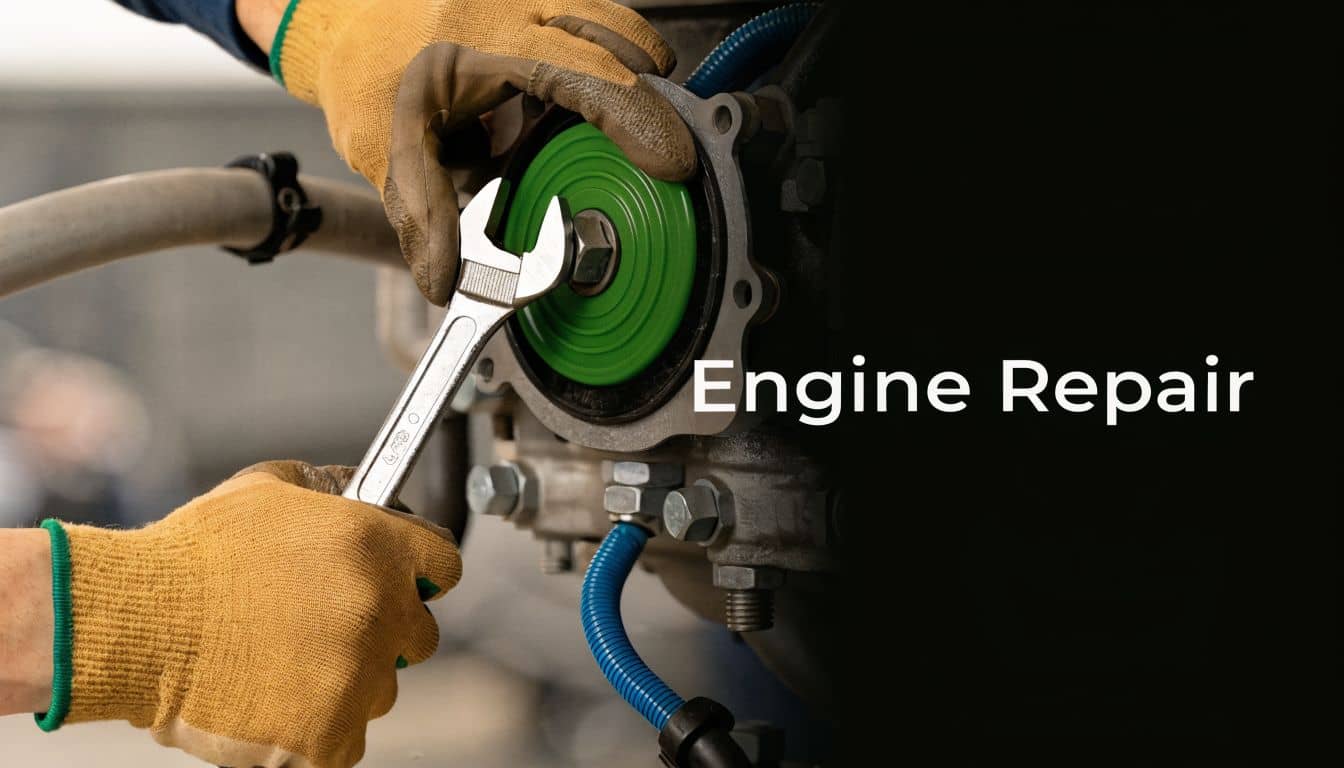
On many cars, the thermostat itself is simple. Getting lasting results is the hard part. I see repeat failures caused less by the new part and more by old gasket material left on the housing, mixed coolant, snapped plastic fittings, or air trapped in the system after refill. Those mistakes cost time, and they can leave you chasing a fault that was already fixed.
The basic process
The steps are familiar, but each one matters:
Start with a fully cold engine: Hot coolant can cause serious burns, and pressure stays in the system longer than many DIYers expect.
Drain only what you need to drain: Catch the coolant cleanly if it is being reused, and dispose of contaminated coolant properly.
Find the thermostat housing: On many engines, it sits where the top radiator hose meets the engine, though some modern layouts hide it under intake pipework or an integrated housing.
Remove the housing carefully: Note the thermostat orientation before lifting it out. Fitment direction matters.
Clean the mating faces properly: A new seal will not compensate for corrosion, old gasket residue or a nicked plastic housing.
Refit, refill and bleed the system: This is the stage that decides whether the repair holds.
Bolt torque varies by engine and housing material, especially where plastic housings are used. Check the workshop spec for the exact vehicle before tightening anything. Overtightening a small housing bolt is a common way to turn a modest repair into a cracked housing and a coolant leak.
What makes the repair last
Bleeding is the part that catches people out. An airlock can leave you with no cabin heat, erratic temperature readings, coolant pushed out of the expansion tank, or fans cycling at odd times. It can look like the new thermostat is faulty when trapped air is the problem.
Coolant choice matters as well. Many modern engines are picky about coolant type, and mixing the wrong formulas can shorten the life of seals and cooling components. If the old coolant is rusty, oily, or full of debris, treat that as a warning sign rather than just topping it back up and hoping for the best.
While the system is apart, inspect hoses, clips and the cooling system water pump range at GSF Car Parts if there is any sign of seepage, bearing noise or poor circulation. In the workshop, that extra check often saves a customer from paying for the same coolant to be drained twice.
One more practical point for UK DIYers and independents. If the thermostat comes as part of a housing assembly, compare every port, sensor position and seal before fitting. Plenty of replacement headaches start with a part that looked close enough on the bench but was never right for that engine code.
Find the Correct Thermostat at GSF Car Parts
A thermostat job often goes wrong before the spanners come out. The old part is on the bench, the replacement looks close enough, and then you spot a different sensor position, the wrong seal, or a housing that will not sit properly. That mistake costs time, coolant, and usually another trip for parts.
Thermostats are more vehicle-specific than many DIYers expect. Opening temperature, housing layout, electrical connectors, bleed points and engine code all need to match. On many UK cars, especially newer petrol engines, hybrids, and models that use a complete thermostat housing assembly, a visual match is not enough.
Why part lookup matters
A registration search cuts out a lot of guesswork. It helps narrow the options to parts that suit the exact car in front of you, which matters if the same model came with different engines or cooling layouts across the production run.
For a fast, accurate match, use the car thermostat range at GSF Car Parts. That is usually the quickest route when the car is stuck on the drive, booked into a workshop bay, or due back on the road the same day.
What actually matters when buying
Price matters, but only after fitment. A cheap thermostat that opens at the wrong temperature can leave the engine running cold, hurt fuel economy, and keep the heater weak. The wrong housing can create leaks or trigger fault codes if a sensor port or connector differs from the original.
Availability matters too.
Cooling faults have a habit of turning a small planned repair into an expensive one if the car keeps being driven. If the thermostat is sticking shut, overheating can follow. If it is stuck open, the engine may never reach proper operating temperature, which means poorer efficiency and a harder time keeping emissions in check for MOT season.
The practical buying approach
Match by registration first, then compare the details on the bench. Check the housing shape, connector count, outlet angle, seal type, and listed opening temperature if the application gives one. If the vehicle uses an integrated housing, compare every port before fitting, not after the coolant is drained.
For trade garages and home mechanics alike, the best outcome is simple. Get the right part first time, fit it once, refill with the correct coolant, and put the job to bed without repeat labour or another lost afternoon.
If the symptoms and checks point to the thermostat, buying carefully is what protects both the engine and your wallet.