


Understanding What the Numbers on Your Tyres Mean
If you've ever looked at the sidewall of a tyre, you've probably noticed a series of letters and numbers that can seem confusing at first glance. However, understanding your tyre size is important when replacing tyres, upgrading your wheels, or simply ensuring your vehicle is fitted with the correct specification. Knowing how to read a tyre size can help you choose the right tyres for your vehicle, maintain performance, and ensure maximum safety on the road.
Where Can You Find Your Tyre Size?
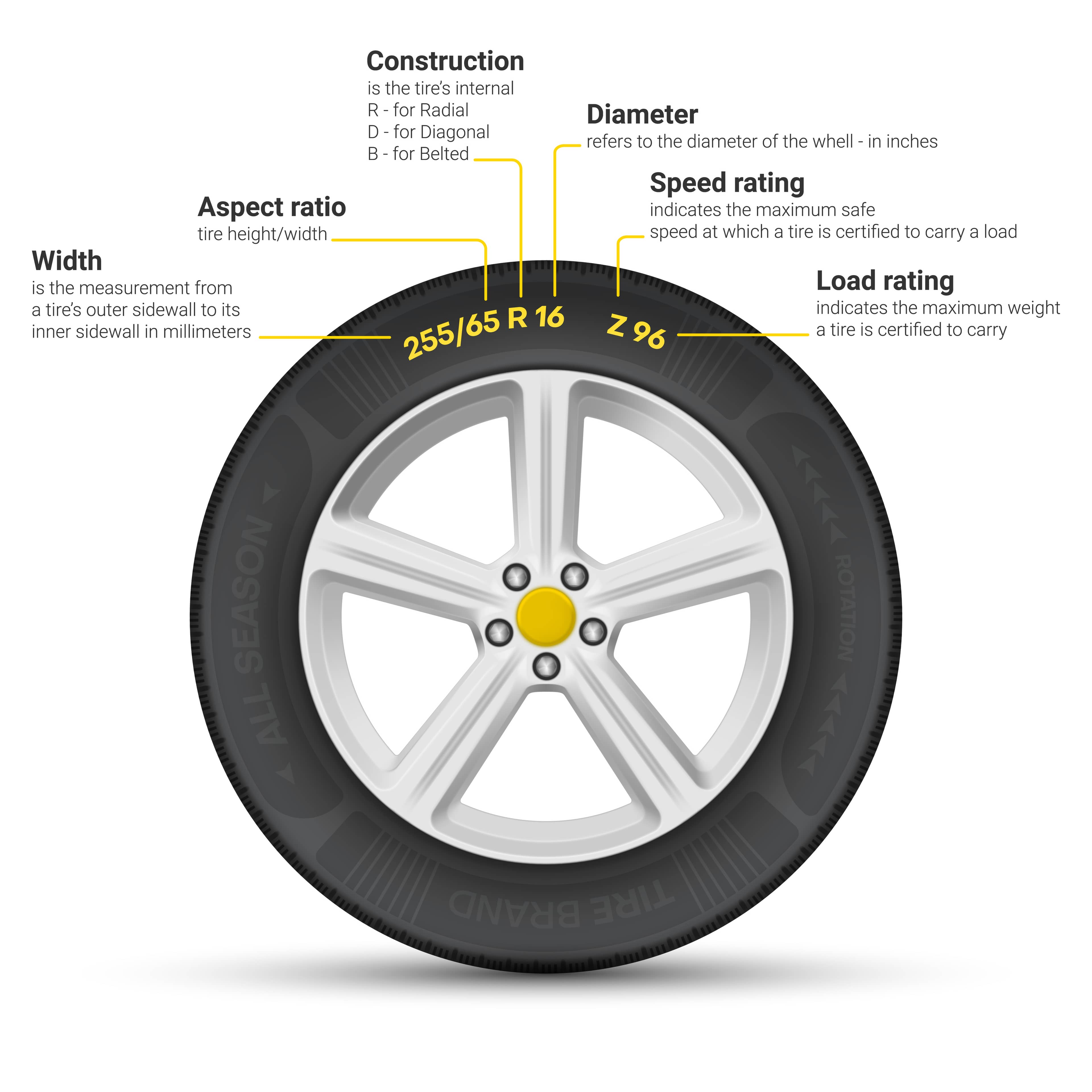
Your tyre size is usually displayed on the sidewall of the tyre and will look something like this:
Example:
225/45 R17 94W Each number and letter provides important information about the tyre's dimensions and capabilities.
Breaking Down a Tyre Size
Let's take a closer look at what 225/45 R17 94W means. Tire Sizes: How to Read Them and How It All Started
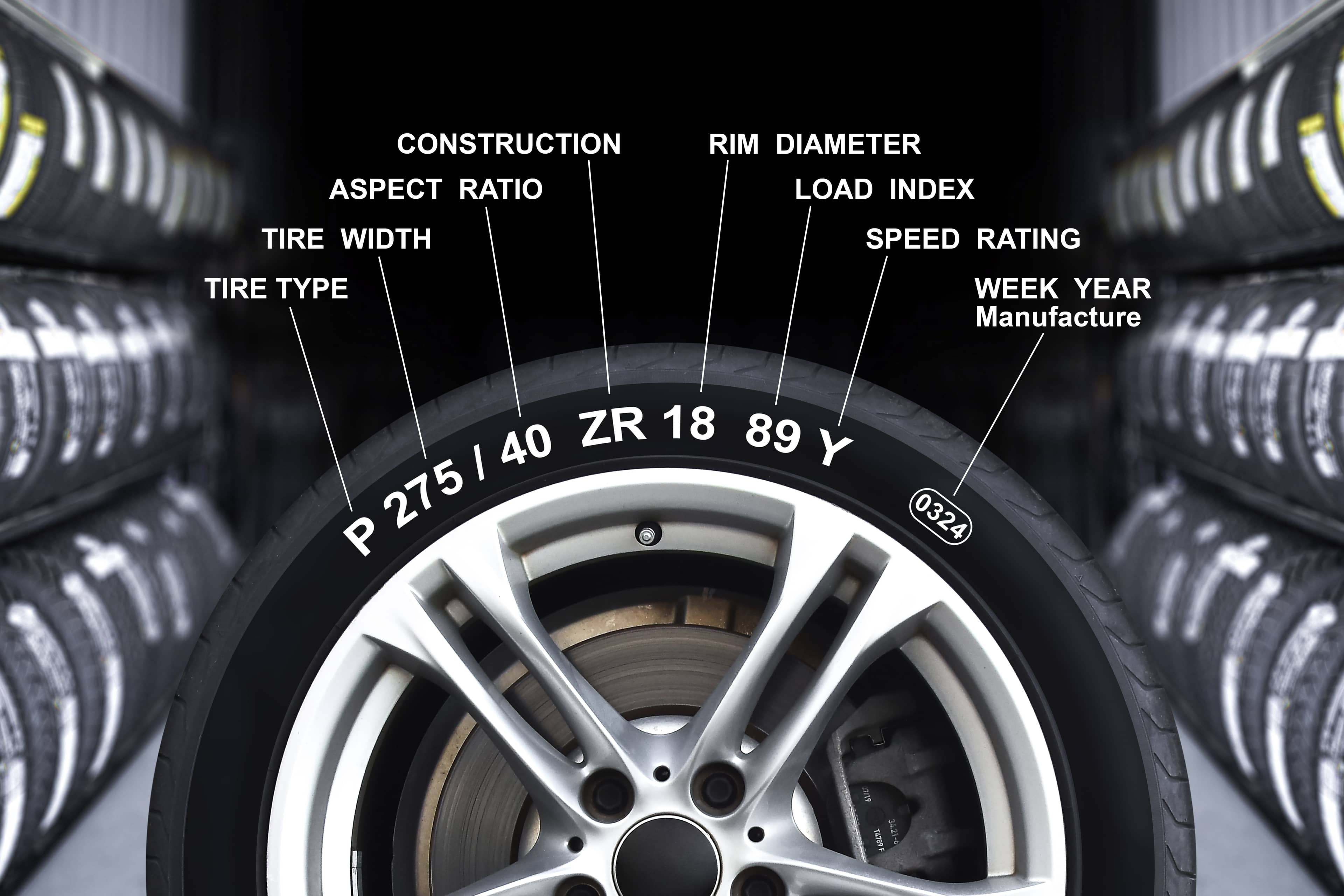
225 = Tyre Width
The first number refers to the width of the tyre in millimetres.225 means the tyre is 225mm wide from one sidewall to the other.
Why It Matters:
Wider tyres can provide more grip
Can improve handling
Often found on performance vehicles
45 = Aspect Ratio (Profile)
The second number refers to the tyre's profile or sidewall height. In this example:45 means the sidewall height is 45% of the tyre's width. For a 225mm tyre:225mm × 45% = approximately 101mm sidewall height
Why It Matters:
Lower profiles typically improve handling
Higher profiles can offer a softer, more comfortable ride
Affects steering response and ride quality
R = Construction Type
The R stands for Radial construction. Nearly all modern passenger vehicles use radial tyres because they provide:
Better durability
Improved fuel efficiency
Enhanced ride comfort
Longer tyre life
17 = Wheel Diameter
The number after the R indicates the wheel size the tyre is designed to fit. In our example:17 means the tyre fits a 17-inch wheel (alloy or steel).
Important:
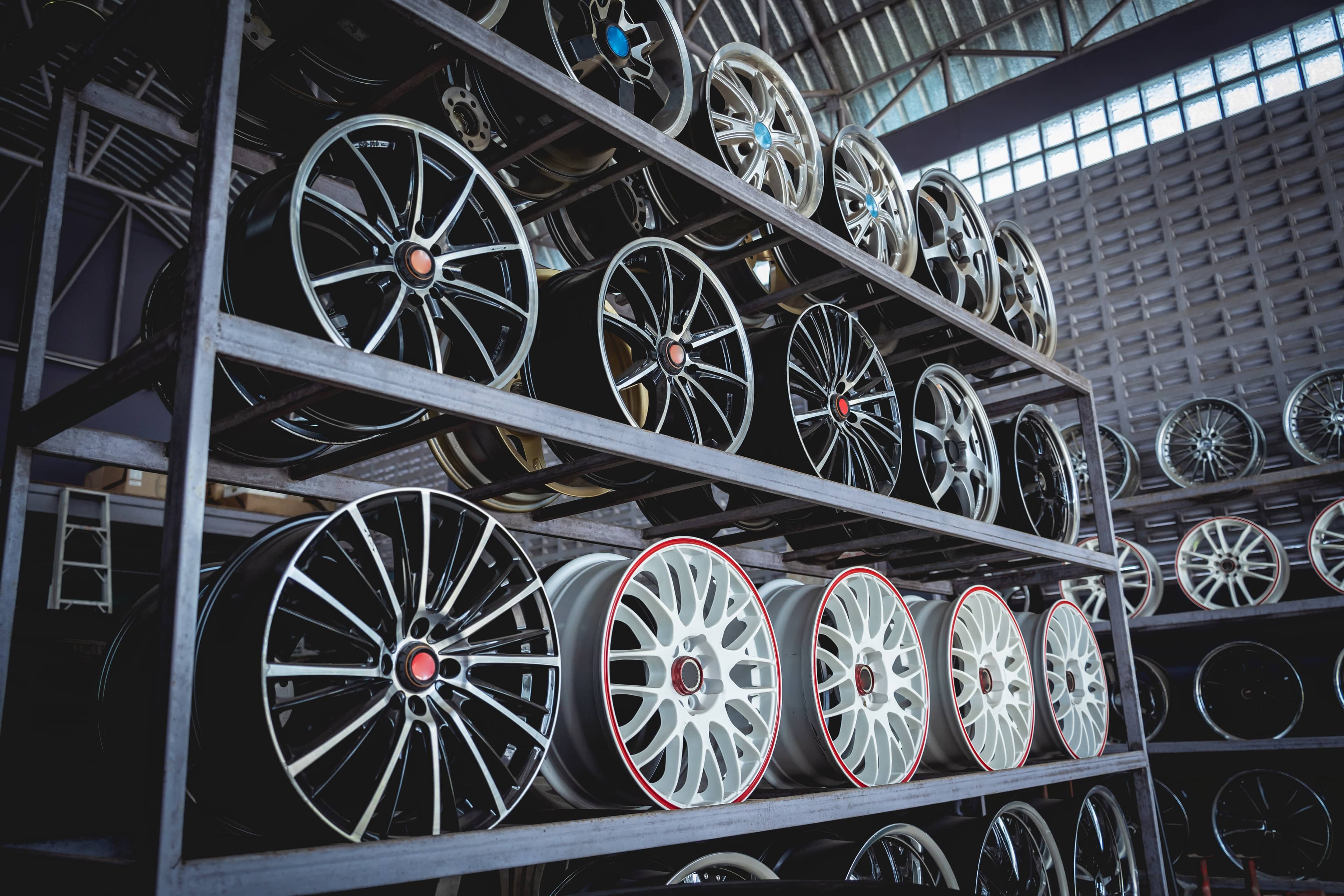
When replacing tyres, the tyre diameter must match your wheel size exactly.
94 = Load Index
The load index indicates the maximum weight each tyre can safely support. A load index of 94 equates to approximately 670kg per tyre.
Why It Matters:
Using tyres with an incorrect load rating can affect:
Safety
Handling
Vehicle performance
Always follow your vehicle manufacturer's recommendations.
W = Speed Rating
The final letter indicates the tyre's maximum approved speed. For example:
Speed Rating | Maximum Speed |
H | 130 mph |
V | 149 mph |
W | 168 mph |
Y | 186 mph |
Why It Matters:
Your tyre's speed rating should meet or exceed the vehicle manufacturer's requirements. What is the tyre speed rating?
Additional Markings You May See
Modern tyres often include extra information.
XL (Extra Load)
Indicates a reinforced tyre designed to carry heavier loads.
M+S (Mud and Snow)
Shows the tyre has been designed to offer improved performance in muddy or snowy conditions.
3PMSF (Three Peak Mountain Snowflake)
Identifies a genuine winter tyre that meets recognised winter performance standards.
Run Flat
Some vehicles use run-flat tyres that allow continued driving for a limited distance after a puncture.
How to Find the Correct Tyre Size for Your Vehicle
There are several places where you can find your vehicle's recommended tyre size:
Check the Tyre Sidewall
The easiest method is to look at your current tyres.
Driver's Door Frame
Many vehicles display tyre information on a sticker inside the driver's door jamb.
Vehicle Handbook
Your owner's manual will list the approved tyre sizes.
Fuel Filler Flap
Some manufacturers also place tyre information inside the fuel filler door.
For a visual Guide watch : How to find your tyre size (in less than 30 seconds!)
Can You Change Tyre Size?
While some drivers choose to fit wider tyres or larger wheels, any changes should be carefully considered.
Changing tyre size can affect:
Speedometer accuracy
Fuel economy
Ride comfort
Handling characteristics
Insurance requirements
Always check compatibility before fitting alternative sizes.
Why Choosing the Correct Tyre Size Matters
Using the correct tyre size helps ensure:
✅ Safe handling and braking
✅ Accurate speedometer readings
✅ Maximum fuel efficiency
✅ Proper clearance from suspension and bodywork
✅ Compliance with manufacturer specifications Fitting incorrect tyres may reduce vehicle performance and compromise safety.
Understanding Your Tyres Helps You Drive Safer
Once you understand how to read a tyre size, replacing tyres becomes much easier. The numbers and letters on the sidewall provide valuable information that helps ensure you're fitting the correct tyre for your vehicle. Whether you're carrying out routine maintenance or preparing for a tyre replacement, understanding tyre markings can help you make informed decisions and keep your vehicle performing at its best.
Shop Car Parts at GSF Car Parts Online and In‑Store
All our parts come from trusted brands, ensuring reliable performance, durability, and long‑lasting quality. Whether you're replacing faulty parts or upgrading for improved performance, you can rely on excellent value every time you shop with GSF.
We offer:
Free UK delivery on orders over £25
60‑day returns* for peace of mind
Click & Collect in as little as 30 minutes
Free next day delivery when you order before 9:30pm
Shop car parts online at GSF Car Parts or visit one of our 200+ stores across the UK & Ireland for expert help.
Service & Maintenance Parts
Keeping your vehicle regularly maintained helps improve:
Engine efficiency
Fuel economy
Long-term reliability
Parts for Maintenance & Repairs
We stock a wide range of components across all major categories, including:
Browse the full range of car parts to keep your vehicle in top condition.





