


You usually notice a locking wheel nut at the worst possible moment. A tyre goes down, you grab the wheel brace, and three nuts come loose easily. Then the fourth one stares back at you with a strange pattern that your socket won’t grip.
That odd-looking fastener is there for a good reason. If you drive a car with alloy wheels, it’s one of the simplest theft deterrents fitted to the vehicle. But it also means you need the right key, the right fitting method, and a plan for the day that key goes missing.
What Are Locking Wheel Nuts and Why Do You Need Them
A locking wheel nut is a special wheel fastener that replaces one ordinary nut or bolt on each wheel. Its head has an unusual pattern, so a normal socket cannot grip it properly. You need a matching key to remove it.
If you are asking what is a locking wheel nut, the plain-English answer is simple. It is a tamper-resistant wheel nut designed to make wheel theft slower and harder.
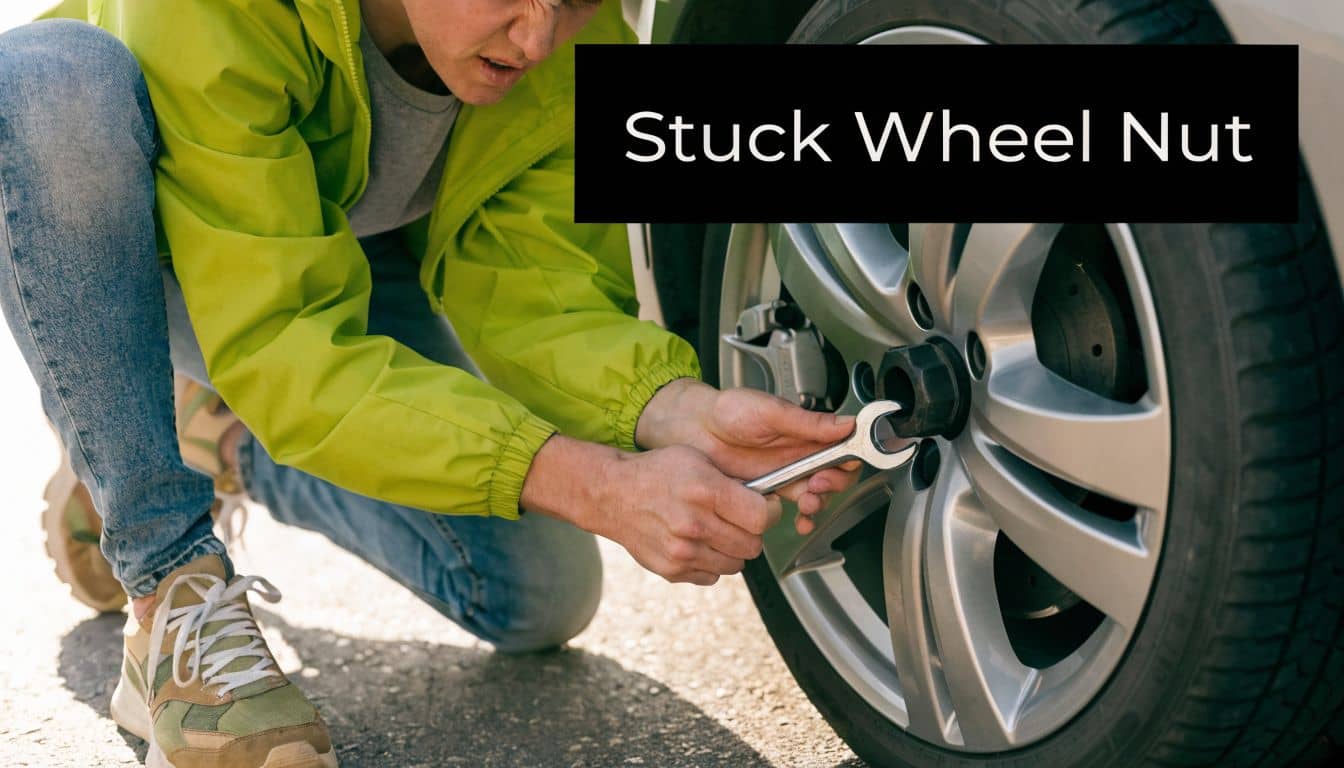
On most cars, you do not get one on every fixing point. You usually have one locking nut per wheel, with the rest left as standard wheel nuts or bolts. That setup gives you extra security without making routine wheel removal unnecessarily awkward for tyre changes, puncture repairs, or brake work.
The easiest way to understand their purpose is to compare them with a bike lock. A basic lock does not make theft impossible. It makes your bike a less convenient target than the one next to it. Locking wheel nuts work the same way. If a thief cannot remove your alloys quickly with ordinary tools, there is a good chance they move on.
That matters because alloy wheels are expensive to replace, easy to resell, and often removed in minutes if a vehicle has only standard fixings. For a UK driver, that can turn into a very costly problem. You are not just paying for replacement wheels. You may also face damage to the car, recovery costs, insurance excess, and the hassle of proving what was fitted.
Here is what locking wheel nuts do in practical terms:
Slow down opportunist theft by blocking removal with a standard socket
Protect the value of alloy wheels, especially factory-fitted or aftermarket sets
Add a basic layer of security without changing how the car drives
Support smoother insurance conversations if your car was meant to have them fitted and kept in place
That last point is often missed. If your vehicle came with locking wheel nuts from new, it is sensible to keep them fitted and keep the key stored safely. Insurers care about the condition and security of the car, especially after a theft claim. The exact wording varies by policy, so it is worth checking what your insurer expects if the original security equipment has been removed or lost.
There is also a practical ownership point many guides skip. Locking wheel nuts are not a one-time decision. UK drivers deal with the whole lifecycle. You buy the right set, fit them correctly, keep the key in a safe but accessible place, and eventually face the common problem of a lost key or damaged pattern. At that stage, knowing your replacement options can save a lot of money compared with emergency removal at the roadside or paying dealer prices by default.
So yes, locking wheel nuts are mainly a theft deterrent. But for day-to-day ownership, they are also about planning ahead. Fit the right set, keep the key where you can find it, and you avoid the two expensive extremes. Stolen wheels on one hand, or a wheel you cannot remove when you need it on the other.
The Anatomy of a Locking Wheel Nut System
A locking wheel nut system is very simple once you look at its parts. You’ve got the standard wheel nuts, the locking wheel nut, and the key that matches it. The easiest way to understand it is to compare it with a house key. Your front door key works because its shape matches one lock. A neighbour’s key won’t fit. A locking wheel nut works in much the same way.
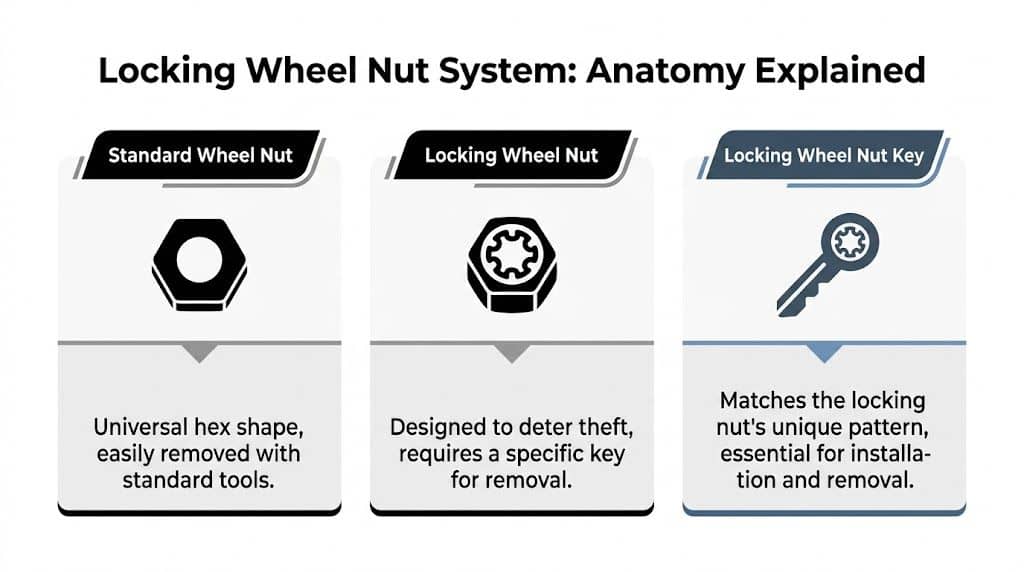
Standard nut versus locking nut
A normal wheel nut usually has a simple hex shape. Any correctly sized socket can grip it. A locking nut does something different. Its outer face or internal pattern is irregular, so a standard socket can’t bite onto it in the normal way.
That’s why the key matters. The key acts like a special adaptor. One end matches the unique pattern on the locking nut. The other end allows a normal tool to turn it.
A quick comparison helps:
Part | What it looks like | What it does |
Standard wheel nut | Regular hex shape | Removed with a normal socket or wheel brace |
Locking wheel nut | Unique patterned head | Prevents easy removal with ordinary tools |
Locking wheel nut key | Matching patterned adaptor | Lets you fit or remove the locking nut safely |
Common locking designs you’ll see
Not every locking nut looks the same. On UK cars, you’ll come across a few common styles:
External pattern type: The face has grooves or shapes around the outside.
Spline style: The key slides into a patterned centre.
Make-specific patterns: Many manufacturers use their own design families, so keys aren’t interchangeable across makes.
Wedge-locking designs: These are more advanced and focus on resisting rotation mechanically.
The most confusing point for drivers is that “locking nut” can refer both to a theft-deterring patterned nut and to more advanced safety designs used in heavier-duty applications.
How wedge-locking works
Some advanced locking wheel nuts use a wedge-locking mechanism. In this design, the cam angle is engineered to be greater than the thread pitch angle. That creates a mechanical wedging effect that uses tension, not friction, to resist rotation, as described in the Nord-Lock wheel nut technical document.
That sounds technical, but the principle is easy enough. Friction-based fastening relies on surfaces gripping each other. Wedge-locking adds a shape-driven mechanical resistance. It’s like pushing a doorstop under a door. The shape itself helps prevent movement.
Some locking systems protect against theft. Others also add a stronger anti-loosening function under vibration.
Why the key isn’t universal
Drivers often assume one locking key can fit many cars. It can’t. The pattern is specific to the nut design, and in many cases to the make or set. A key for one system won’t automatically remove another.
That’s why garages ask for the key before they do tyres, brakes, or suspension work. Without it, the car may be perfectly repairable, but the wheel still won’t come off.
How to Choose and Fit Locking Wheel Nuts Correctly
Buying locking wheel nuts isn’t about picking a set that “looks about right”. The fit has to match the car exactly. If the thread, seat, or length is wrong, the wheel may not clamp properly.
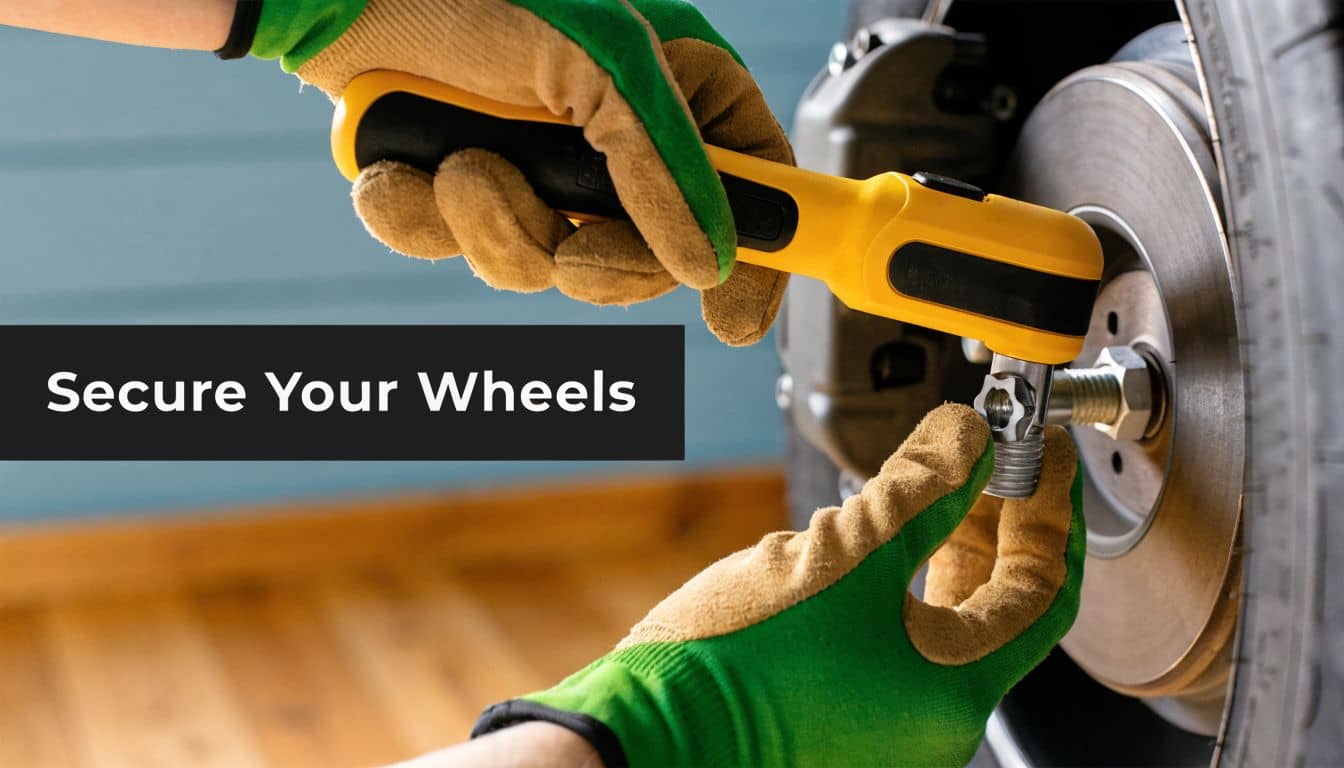
What you need to match
The first check is the thread size. One common size is 12x1.5, which appears on many modern vehicles, but your car may use something different. You also need the correct seat type so the nut contacts the wheel in the intended way.
Here’s what to confirm before buying:
Thread size: It must match the stud or bolt exactly.
Seat type: Tapered, radius, or flat seat designs are not interchangeable.
Shank or overall length: The nut must sit correctly in the wheel.
Vehicle application: Make, model, and wheel type all matter.
Key pattern and pack type: You want a matched set, not a near match.
If you’re unsure, use a registration-based parts finder or check the existing wheel fasteners against the replacement specification.
Fitting them safely
A lot of wheel nut trouble starts during installation. The nut may be the right one, but it gets cross-threaded, over-tightened, or hammered on with the wrong tool.
For most passenger cars, the safe approach is simple:
Clean the mating areas so dirt doesn’t affect the seating.
Start each nut by hand for a few turns. That helps prevent cross-threading.
Fit the locking nut key squarely so it engages fully.
Tighten in the correct sequence so the wheel seats evenly.
Finish with a torque wrench, not guesswork.
Premium locking nuts require the correct torque setting and, in some commercial applications, torque can be as high as 515 lbf·ft (698 Nm). The key point from the locking lug nut specification page is that this load must be applied with a torque wrench, not an impact gun.
Workshop habit worth copying: Tighten by hand first. Torque last. Never rely on the hammering action of an impact tool to “sort it out”.
One mistake to avoid
Don’t use an air gun or battery impact wrench to blast the locking nut on. That can round the key, damage the pattern, or stretch the fastener. It also makes the next roadside wheel change far more stressful.
For garages and experienced DIY users working with security fasteners, model-specific setting and locking tools can help with accurate engagement and removal. They don’t replace correct torque practice, but they do reduce the chance of damaging the key pattern.
A simple fitment example
If you’ve got a family hatchback with alloy wheels, the usual job is replacing one standard nut on each wheel with one locking nut from a matched set. You don’t need to convert every wheel fastener to locking types. One per wheel is the normal arrangement because it balances security with practicality.
That’s also why the key needs a fixed home in the car. If you fit the locks properly but leave the key in a random drawer in the garage, you’ve solved one problem and created another.
The Lost Key Dilemma What To Do When It Disappears
Losing the locking wheel nut key is one of those problems that turns a simple tyre job into a dead stop. The wheel can’t come off, which means no puncture repair, no tyre replacement, and sometimes no brake work either.
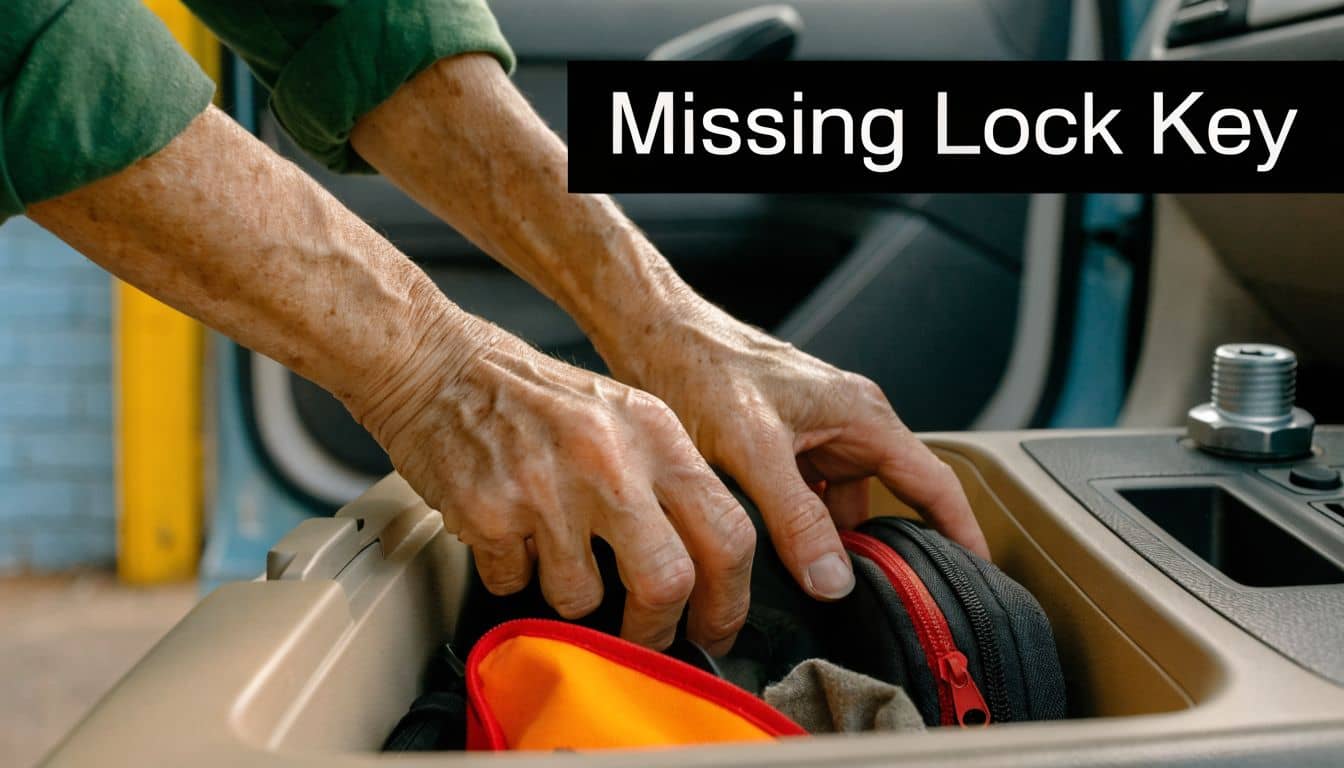
Check the obvious places first
Before you assume it’s gone for good, search the places where owners and garages usually leave it. The key is often small, metal, and easy to miss among other tools.
Try these spots:
Glovebox: Often inside a pouch, tool wallet, or loose beside the handbook
Boot floor storage: Near the spare wheel, inflation kit, or jack
Side pockets and centre console: Common when a tyre fitter has returned it in a hurry
Toolkit compartment: Especially on cars supplied with a foam insert
Service book pack:
Some owners keep the code card or packaging there
If the car has been serviced recently, ask the last garage that worked on it. Keys do sometimes get left on a bench, in a technician’s toolbox, or in the wheel bolt tray after a tyre change.
Find the key code if you can
Some locking nut sets come with an identifying code. If you still have the original paperwork, packaging, or service documents, that code may help you order the correct replacement key.
A dealer may be able to help if the locking set is original equipment and you can identify the pattern correctly. An aftermarket supplier may help if you know the system used and can match it to the existing nuts.
When a replacement key isn’t possible
Sometimes there’s no code, no spare key, and no way to identify the exact pattern with confidence. At that point, removal becomes the job.
Professional removal usually involves specialist extractor tools, sacrificial sockets, or dedicated locking wheel nut removal kits. That’s different from attacking the nut with whatever is in the shed.
This walkthrough shows the sort of process professionals follow when things get awkward:
Remove a Locking Lug Nut From Your Car or Truck! Without the Key!
What not to do in a panic
A rushed DIY attempt often makes the final repair harder and more expensive. Avoid:
Hammering random sockets onto the nut if the wheel finish is easy to mark
Using heat carelessly near tyres, sensors, and painted wheels
Trying to split the nut without the right access
Leaning on a powerful impact wrench just because the key pattern is damaged
If you’re collecting tools for seized or damaged fasteners, impact wrenches have a place in workshops, but they are not a cure for every lost-key problem. On locking nuts, uncontrolled force can turn a difficult removal into a ruined key pattern and a scarred alloy.
If the key is missing, the safest first move is identification. The second is controlled removal. Brute force should be the last option, not the first.
Long-Term Maintenance and UK Legal Considerations
A locking wheel nut only helps if it still works on the day you need it. For many UK drivers, the trouble starts years after fitting. A key pattern fills with grime, a nut gets over-tightened during tyre work, or corrosion bonds everything together so tightly that a simple puncture turns into a garage job.
Treat the locking nut set like a house key and front door lock. You do not think about it much when everything is working, but neglect shows up at the worst possible moment.
Keep them usable, not just present
Long-term care is mostly about small checks during normal servicing. Ask for the locking key back after any tyre, brake, or suspension work. Then make sure it goes straight back into the same place every time. A labelled pouch in the glovebox or with the jack kit is far safer than leaving it loose in the boot, where it can disappear under tools and shopping bags.
A quick check during routine maintenance should cover four things:
The key still fits cleanly: If it rocks, slips, or needs force, the pattern may be wearing.
The nut head is not damaged:
Rounded or battered patterns are an early warning sign.
The seating area is clean: Dirt and brake dust can stop the key engaging fully.
The nuts were tightened correctly: Over-tightening is a common cause of cracked keys and seized fasteners.
A small amount of suitable anti-seize may help on the correct surfaces in some cases, but only if the manufacturer allows it. Too much can affect torque readings, which is a bit like setting a jar lid by guesswork after oiling the threads. It may feel tight, but the clamping force can end up wrong.
Why this matters over the full ownership cycle
The expensive part is rarely the nut itself. It is the knock-on cost when a worn key or seized locking nut delays tyre replacement, strands you with a puncture, or forces specialist removal.
That is why keeping the code card, key number, and fitting details matters long after the initial purchase. If the original key is lost later, those details can make the difference between ordering a straightforward replacement and paying for removal first, then buying a full new set. For drivers trying to keep running costs sensible, that paperwork can save real money.
If you bought the set from GSF, keeping the packaging or part reference with your vehicle records is a simple habit that can pay off years later.
MOT and roadworthiness
Wheel security is a safety issue first, and an MOT issue second. A missing, loose, or insecure wheel fastener can lead to failure because the tester is judging whether the wheel is safely attached, not whether the car still has its original locking setup.
As noted by Lindleys Autocentres, DVSA regulations classified loose wheels as MOT failures in 2012, and some insurers such as Aviva may require locking nuts for alloy wheel cover. The practical point for drivers is simple. If a locking nut is damaged, cross-threaded, or not seating properly, do not leave it until MOT week.
One more point often gets missed. You do not usually fail an MOT just because one standard wheel nut has replaced one locking nut, provided the wheel is secure. But if your insurer expects a full locking set and you switch to standard nuts after losing the key, you may create an insurance problem even though the car remains mechanically roadworthy.
Insurance and replacement choices
Insurance wording matters most when the car has factory alloys, upgraded wheels, or declared modifications. Some policies treat wheel security devices as part of the agreed theft protection. If those devices are missing after a claim, the insurer may ask whether the car still matched the declared specification.
The safest approach is straightforward:
Check your policy wording if your car has alloy wheel theft cover
Record any replacement set fitted after a lost key or damaged nut
Keep receipts and part details in case you need to show what was installed
Tell your insurer if the policy specifically lists locking nuts as a condition
Cost-saving and compliance align: replacing a missing key or worn set promptly is often far cheaper than dealing with rejected claim arguments later.
Weighing the Pros and Cons of Locking Wheel Nuts
Locking wheel nuts are a sensible fit for many drivers, but they aren’t magic and they aren’t hassle-free. The honest answer depends on your car, where you park, and how likely you are to keep track of the key.
Where they make the most sense
If you park on the street, leave the car at a station car park, or own attractive alloy wheels, locking nuts are usually worth having. They add a barrier that slows theft and makes your car a less convenient target.
They’re also a practical choice if:
Your car has valuable alloys: Factory and aftermarket wheels can be expensive to replace.
You use public parking often: Cars left unattended for long periods are more exposed.
Your insurer expects them: Compliance matters as much as the hardware.
You manage several vehicles: A standard security routine can reduce risk across the fleet.
The drawbacks drivers forget
The downside is nearly always tied to the key. Lose it, damage it, or leave it at home, and a puncture becomes more complicated than it should be.
Here’s the trade-off in plain terms:
Advantage | Drawback |
Makes theft harder | Needs a matching key every time the wheel comes off |
Adds peace of mind | Wrong fitting can damage the nut or key |
Can support insurance requirements | Replacement can be awkward if the pattern is unknown |
Usually simple to install | Poor storage creates avoidable roadside stress |
A realistic verdict
For a car on steel wheels parked in a locked garage every night, they may feel less urgent. For a car with desirable alloys parked outside a flat or on a driveway near a busy road, they’re much easier to justify.
They’re best viewed as a deterrent, not an absolute guarantee. If you fit them well, maintain them properly, and keep the key safe, the balance usually comes out in their favour.
FAQs for DIY Motorists Garages and Fleet Operators
Can I use an impact gun on locking wheel nuts
It’s a bad habit on most locking nuts. The problem isn’t just force. It’s the sudden hammering load through a patterned key that can damage the key itself or the locking face on the nut.
Hand-start the nut, seat the key properly, and finish with the correct torque method. If a garage uses power tools for speed, that should still end with a controlled final torque check.
What if the locking nut key is damaged but not lost
Stop using it before it fails completely. A partly rounded key can still seem usable, but each use can wear the pattern more.
The safest move is to identify the set and replace the key while it still works. Waiting until it strips fully often leaves you with only extraction as an option.
A worn key is like a worn house key. It may still turn today, but it’s warning you that trouble is coming.
What’s the best removal method for a stubborn locking nut in a garage
That depends on whether the problem is corrosion, over-tightening, key damage, or a missing key. A careful technician usually starts with inspection, proper wheel support, and the least destructive method that still gives reliable engagement.
In practice, that may mean:
Pattern identification first: If a matching key can be sourced, that’s cleaner than extraction.
Dedicated removal sockets next: These can grip damaged locking nuts without relying on the original key.
Protecting the wheel finish: A fast removal isn’t much use if the alloy ends up marked.
Replacing the set afterwards: Once a locking nut has been extracted, fitment should be renewed, not reused casually.
Are locking wheel nuts worth fitting across a fleet
For fleets, the answer comes down to exposure, wheel value, and operational downtime. Light commercial vehicles often spend time on customer sites, public roads, and overnight parking areas where theft risk varies.
A fleet operator should weigh:
Vehicle usage pattern: Street-based vans face different risks from depot-kept vehicles.
Wheel type: Alloy-equipped vehicles have more obvious theft appeal.
Key management: A poor key-control system creates workshop delays.
Replacement policy: Standardising approved sets can simplify servicing.
If you run multiple vehicles, keep a clear record of which key belongs to which registration. That’s more important than buying the fanciest lock design.
Do mechanics need the key every time the wheel comes off
Yes. Tyre changes, brake jobs, suspension work, puncture repairs, and wheel balancing all depend on removing the wheel safely. If the key isn’t in the vehicle or handed over at check-in, the job may stop before it starts.
Should I replace just one damaged locking nut or the whole set
If the rest of the set is in good condition and you can source the exact matching part, a single replacement may be possible. But where the pattern is worn, the key is tired, or the set is of uncertain origin, replacing the full set is often the cleaner long-term fix.
That avoids a mixed setup where one wheel uses a different key from the others, which is exactly the sort of thing that causes confusion at the roadside.
Your Next Steps for Wheel Security
A locking wheel nut is a small part with a big job. It helps protect your wheels, but only if it fits the car properly, is tightened correctly, and comes with a key you can find when you need it.
If you’re checking your setup now, look at three things first. Confirm the locking nuts are the right type for the vehicle, make sure the key is stored in one fixed place, and replace any damaged or unknown set before it turns into a roadside problem. If you want to add another visible layer of security when the vehicle is parked, a wheel clamp can also be part of the wider picture.
If you need replacement parts, tools, or security accessories for your vehicle, GSF Car Parts offers UK motorists and trade customers a practical way to source them quickly, whether you’re planning routine maintenance or sorting out an urgent wheel security problem.





