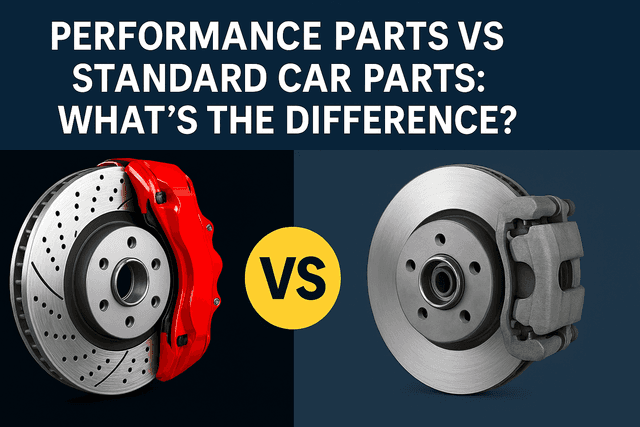
A car usually picks the worst moment to ask for attention. It's often on a work morning, in the supermarket car park, or just after a warning light appears and you start wondering whether you're dealing with something minor or the start of an expensive problem.
That's why a good car service tools kit matters. Not because it turns every driver into a full-time mechanic, but because it gives you a way to identify the problem, handle the jobs that are manageable at home, and avoid making simple issues worse through guesswork.
Your Guide to Car Service Tool Kits
After an “uh-oh” moment, the need for tools often becomes apparent. A tyre's gone down overnight. The battery sounds lazy on a cold morning. A dash light appears, and suddenly the car feels less like transport and more like a question you can't answer.
A proper car service tools kit changes that. It gives you a path from uncertainty to action. Sometimes that action is fixing the issue there and then. Sometimes it's confirming what's wrong before ordering parts or booking the car in. Either way, the value is in knowing what you're dealing with.
That idea is older than a lot of drivers realise. One of the earliest clear milestones in organised vehicle tool kits was the original Snap-on set for the Ford Model T, which paired five unique handles with ten sockets and even included a diagram showing where each tool was used, as shown on Snap-on's company history page. That matters because it shows the core principle hasn't changed. Good kits were never about owning every tool. They were about having the right tools for real jobs.
A useful kit doesn't impress anyone sitting closed in a garage. It earns its place when a wheel needs torquing properly, a battery fault needs checking, or a warning light needs reading before money gets spent.
For a UK driver, that practical mindset is what counts. The right car service tools kit helps you stay mobile, work more safely, and make better decisions about what to tackle yourself and what to hand over.
What a Car Service Tools Kit Really Is
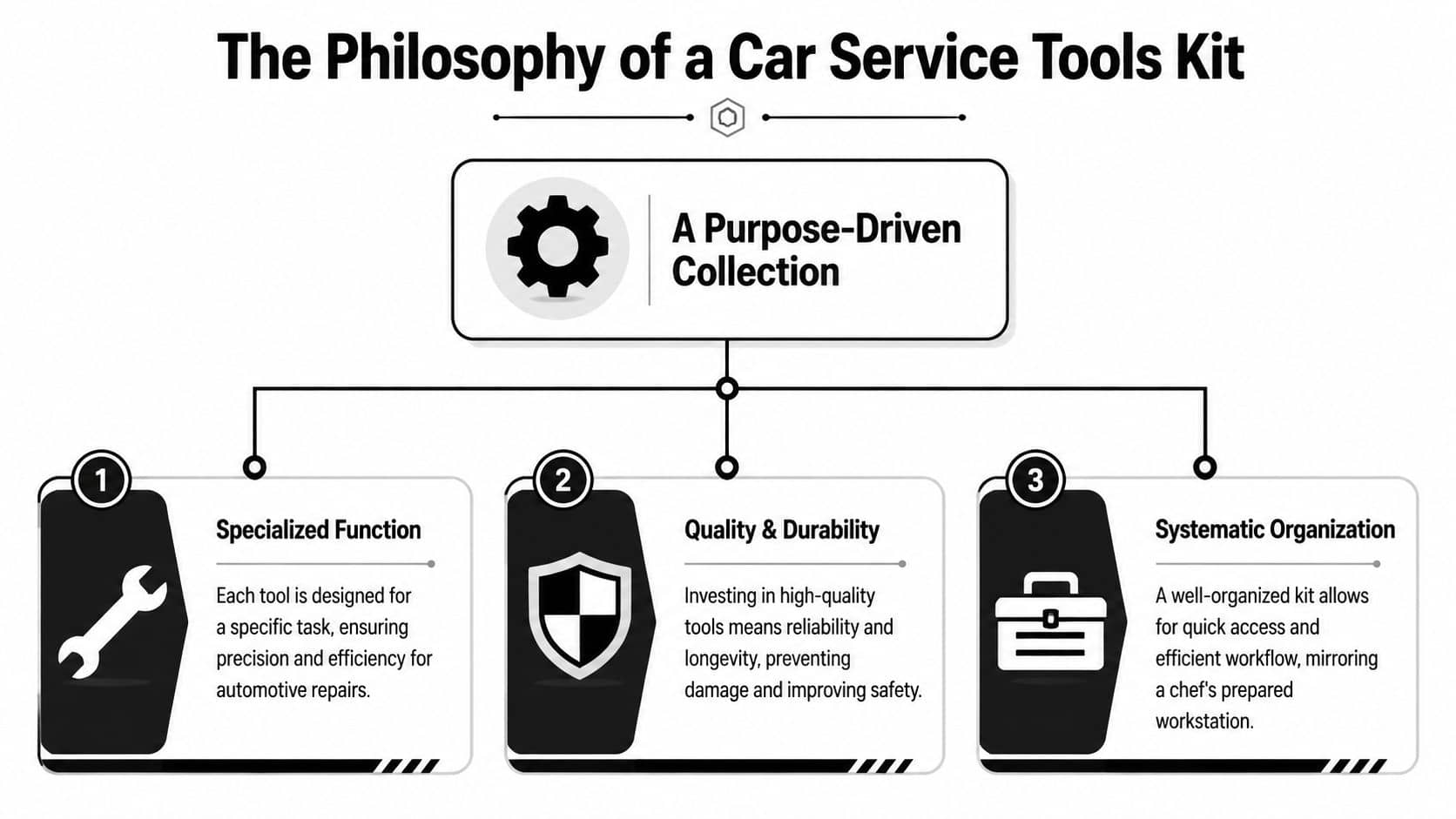
A good kit is less like a bargain bin of random metal and more like a chef's knife roll. Every item has a purpose. If a tool doesn't help you complete a real job on the car, it's clutter.
That's the difference between a collection and a curated kit. Plenty of people own piles of tools and still can't do a clean brake service, trace a battery problem, or remove a stubborn trim panel without damage. A proper car service tools kit is organised around tasks, not around the idea of “more”.
The emergency kit
This is the one that lives in the car or near it. It's there for roadside headaches and quick checks.
Typical jobs include:
Wheel-related problems. A flat tyre, pressure check, or wheel removal.
Battery trouble. Low charge, poor starting, or dead battery symptoms.
Low-light situations. Working at the side of the road or in bad weather.
Basic fault checks. Reading a warning light before deciding whether the car can be driven.
This isn't the place for a giant cabinet full of specialist kit. It's where compact, high-impact tools earn their keep.
The driveway service kit
This is what most DIY owners should aim for. It supports routine maintenance and straightforward repair work at home.
A sensible mid-level kit covers oil and filter work, wheel removal, battery replacement, brake inspections, basic electrical checks, trim removal, and code reading. It's built around repeat jobs, not fantasy jobs. If you service your own car occasionally, this is usually the sweet spot.
The full workshop setup
Trade work needs something else entirely. In a garage, tools must survive repeated use, speed matters, and downtime costs money. The kit expands into storage systems, specialist pullers, lifting gear, dedicated diagnostic equipment, and duplicates of the tools that get used all day.
Practical rule: buy tools for the jobs you actually do twice a year, not the jobs you imagine doing once in some ideal future.
That mindset stops wasted money. It also helps you build a car service tools kit that you'll use, trust, and keep organised.
Core Components and Their Uses
A useful car service tools kit has a backbone. If that backbone is weak, every job becomes slower, rougher, and more frustrating than it needs to be. The key is to understand what each group of tools enables.
For UK vehicle work, the most useful socket and spanner coverage is a metric-focused set that spans 5 mm to 22 mm combination wrenches and includes 1/4-inch, 3/8-inch, and 1/2-inch drive ratchets and sockets, as outlined in this automotive technician tool list from Austin Community College. That spread matters because small fittings, trim fixings, and battery terminals often suit lighter drive tools, while brakes, suspension, and tighter fasteners require greater turning force and strength.
Sockets, ratchets and spanners
These are the core of the core. If you're removing undertrays, battery clamps, engine covers, heat shields, wheel hardware, brackets, or service items, this is what you'll reach for first.
A good setup usually means:
1/4-inch drive for lighter work, tighter spaces, and small fixings
3/8-inch drive for general servicing and the bulk of routine jobs
1/2-inch drive for higher-torque work where smaller tools start to struggle
Combination spanners for fasteners where a socket won't fit cleanly
Extensions and adaptors for recessed or awkward bolts
What doesn't work well is trying to force one drive size to do everything. That's when fasteners get rounded, ratchets get abused, and jobs that should be simple become arguments with the car.
Screwdrivers and pliers
These tools don't always get the glamour, but they save jobs every week. Screwdrivers handle hose clips, trim screws, clamps, and interior fixings. Pliers help with clips, wiring, hose removal, stubborn retainers, and small metal parts that don't want to move.
The useful mix includes standard screwdrivers, long-nose pliers, side cutters, and adjustable pliers. Speciality pliers become worthwhile once you know what jobs you repeat.
Lifting and support gear
Many DIY kits fall short in this regard. Lifting a car is easy. Supporting it safely is the actual standard.
You need equipment that lets you remove a wheel, inspect brakes, reach the underside when necessary, and work without rushing because you don't trust the setup. A jack gets the car up. Stands keep it there. Wheel chocks and gloves are simple additions that make the whole job calmer and safer.
If you're going underneath the vehicle, axle stands are not optional. The jack is for lifting, not for trusting with your body.
Diagnostic and electrical testers
This is the category too many people buy too late. Modern cars can waste your time if you attack every problem with sockets first and questions later.
A practical kit should include some form of electrical test gear and fault-reading capability because many faults now involve sensors, charging systems, battery condition, connectors, or stored codes rather than obvious mechanical failure. Technician guidance separates torque tools and diagnostic equipment from general hand tools for exactly that reason, as discussed in UTI's overview of automotive technician tools.
Here's the practical difference:
A ratchet set lets you remove the battery.
A multimeter or test light helps you find out whether the battery or charging circuit is the issue.
A code reader tells you where to begin when a warning light appears.
DIY starter vs advanced trade kit contents
Tool Category | Essential DIY Kit | Advanced Trade Kit |
Socket coverage | Metric sockets and ratchets in common drive sizes | Full metric coverage, deeper ranges, impact options, duplicates for daily use |
Spanners | Combination spanners for routine service work | Wider range with specialty patterns and higher-duty construction |
Screwdrivers and pliers | Core screwdriver set, long-nose pliers, cutters, adjustable pliers | Expanded plier types, trim tools, hose clamp tools, dedicated electrical hand tools |
Torque control | One reliable torque wrench | Multiple torque tools for different ranges and applications |
Lifting gear | Jack, stands, wheel support basics | Heavier-duty lifting and dedicated workshop support equipment |
Diagnostics | Basic code reader, multimeter or test light | Broader diagnostic scanners and deeper system coverage |
Storage | Portable box or compact case | Organised drawers, shadow boards, mobile carts |
Specialist tools | Added only when a job demands them | Built up for common repeat jobs across many vehicles |
If you're comparing ready-made sets, browsing a dedicated range of vehicle service tools can help you see where a starter kit ends and task-specific tooling begins.
The Essential Kit for the DIY Owner
The smartest way to build a car service tools kit is to start with the jobs, not the catalogue. Ask what you're likely to deal with on a UK car over the next year. That answer is usually far less dramatic than people think. It's tyres, batteries, routine checks, small service work, and the occasional warning light.
UK-focused maintenance guidance points the same way. The RAC notes flat tyres and battery issues are frequent roadside problems, and the AA reports batteries are a leading cause of callouts in cold weather, as summarised in this UK maintenance tool guide. That's why a practical DIY kit should favour wheel, battery, lighting, and diagnostic basics before it starts chasing specialist workshop gear.
Build around the jobs you'll actually face
If your car service tools kit can handle these jobs, you're covering a lot of real life:
Flat tyre support. Wheel brace or socket setup, tyre inflator, pressure gauge, gloves, and a torch.
Battery trouble. Jump starter, basic hand tools for terminals and clamps, plus electrical test gear.
Routine servicing. Ratchets, metric sockets, screwdrivers, pliers, drain-support items, and a torque wrench.
Warning lights. A basic OBD reader so you can identify the fault area before replacing parts blindly.
Seasonal checks. Tools to inspect battery condition, lighting, fluid access points, and wheel security.
The biggest mistake DIY owners make is buying for complexity before they've covered frequency. A ball joint press looks impressive. It won't help much on a cold morning when the battery won't crank and you need to know whether the problem is charge, connection, or something else.
The tools I'd prioritise first
If I were building from scratch for occasional home maintenance, I'd start with a compact, practical list:
Torque wrench for wheel fasteners and any safety-critical reassembly
Socket and ratchet set in metric sizes
Combination spanners for the fasteners a socket can't reach
Screwdrivers and pliers for clamps, clips, and trim
Jump starter for the failures that always seem to happen at the wrong time
Multimeter or test light for basic battery and electrical checks
OBD reader for modern fault-finding
Tyre inflator and pressure gauge for everyday tyre issues
Torch and gloves because poor visibility and cold hands ruin simple jobs fast
The best DIY kit isn't the one with the most pieces. It's the one that lets you solve the jobs that actually stop you using the car.
If you want a pre-packed starting point rather than assembling everything piece by piece, a browse through automotive tool kits can help you judge what's included and what you'd still need to add for your own car.
There's one more practical point. Once your kit lets you identify and fix common maintenance issues, getting the correct replacement part becomes the next step. That's where a number plate lookup can save time and reduce ordering mistakes, especially on service items that vary by engine or trim.
Stepping Up to the Professional Garage Kit
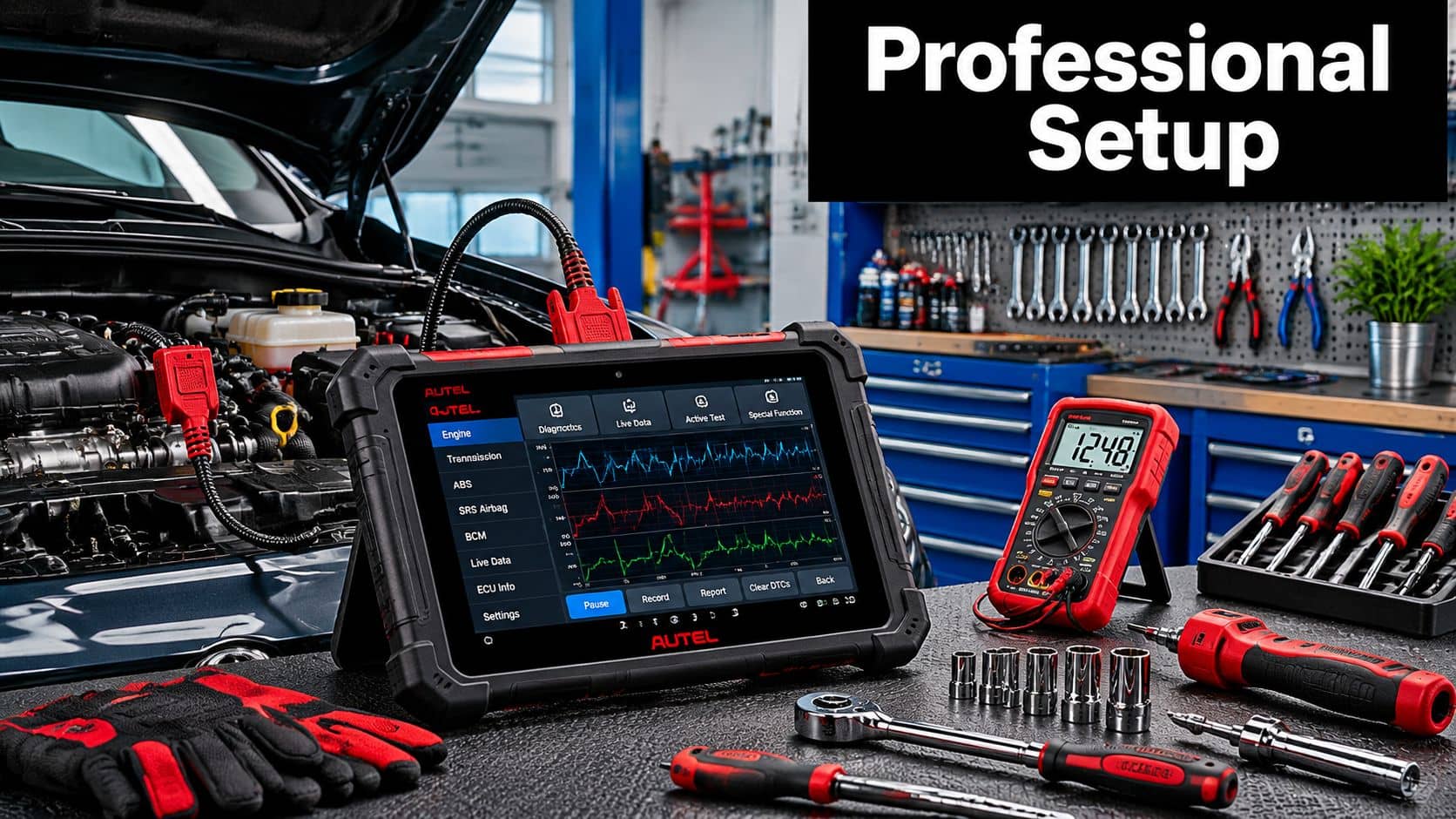
A trade setup isn't just a bigger DIY box. It's a different working environment with different demands. In a garage, tools need to stand up to daily repetition, fit into a fast workflow, and cover a wider range of vehicles without constant compromise.
That changes what matters. For a DIY owner, a ratchet that gets used at weekends may last years. In a workshop, the same tool gets judged on grip, tooth count, access, durability, and how quickly it resets in confined spaces. The difference isn't image. It's time, fatigue, and consistency.
What the professional setup adds
Trade kits usually expand in three directions.
First, durability. Daily-use ratchets, sockets, pliers, and torque tools need to survive repetition without developing slack, poor engagement, or unreliable calibration.
Second, specialisation. Once a garage handles brakes, suspension, bearings, diagnostics, electrical faults, and engine work across different makes, it needs the pullers, presses, test equipment, trim tools, and adaptors that stop jobs stalling halfway through.
Third, speed. The right storage layout, duplicate hand tools, and better access tools can make ordinary work noticeably smoother. A professional doesn't want to walk across the workshop because one common socket is tied up in another bay.
Diagnostics become central
This is the biggest jump from DIY to trade. In many garages now, the most valuable tool on the bench isn't another spanner set. It's the diagnostic equipment that shortens fault-finding before dismantling begins.
Professional scanners go further than basic code reading. They help technicians look deeper into systems, compare live data, and reduce guesswork when faults involve electronics, sensors, or intermittent issues. That doesn't make hand tools less important. It means the workshop uses the right information before reaching for them.
In trade work, the expensive mistake isn't only breaking a part. It's wasting an hour going in the wrong direction.
Where DIY gear starts to fall short
DIY gear usually struggles in three places:
Repetition. Light-duty tools feel fine until they're used all day.
Range. One car at home is manageable. Multiple makes and fault types need broader coverage.
Workflow. Portable boxes are convenient. In a workshop, drawer systems, carts, and fixed organisation save time every day.
A professional garage kit isn't about owning everything. It's about removing friction from common jobs and making fault-finding faster, safer, and more predictable.
Buying Your First Kit Key Considerations
Buying your first car service tools kit can go wrong in two opposite ways. Some people buy far too cheap and end up replacing tools after a handful of awkward jobs. Others overspend on tools they won't touch for years.
The right approach is to buy for frequency, safety, and diagnosis. Frequency covers the jobs you'll repeat. Safety covers the tools that must work properly every single time. Diagnosis covers the tools that stop you wasting money on parts you didn't need.
Buy quality where failure matters
Not every tool needs to be top-shelf, but some do. I'd spend more carefully on:
Torque wrenches, because tightening by feel isn't good enough for safety-critical fasteners
Ratchets and sockets, because poor fit damages fasteners and creates bad habits
Lifting and support gear, because this is not the place to take risks
Electrical and diagnostic gear, because false readings waste time and send you down the wrong path
A cheap trim tool breaking is annoying. A poor torque wrench or unreliable stand is a different level of problem.
Pre-made kit or build your own
Pre-made kits are good when you need a base quickly. They often give you the everyday hand tools in one hit and keep things organised from the start.
Building your own tends to work better once you know your car and your habits. If you mostly do service work and electrical checks, you'll buy differently from someone who spends weekends on brakes, suspension, and underbody jobs.
The sensible middle ground is often this:
Start with a quality general kit
Add a torque wrench early
Add diagnostic gear before niche mechanical tools
Only buy specialist tools when a real job justifies them
Why diagnostics deserve an early budget
For modern cars, this is the biggest buying decision many owners miss. For many UK DIY motorists, a £30–£100 OBD-II code reader can be more immediately useful than adding more general hand tools, particularly when faults involve warning lights and electronic systems, as discussed in this diagnostic-first video reference.
That doesn't mean a code reader replaces a socket set. It means the code reader often tells you where the work should begin. On modern vehicles, that can save a lot of time, a lot of unnecessary dismantling, and a lot of wrong-part buying.
If you're deciding between “more metal” and “better fault-finding”, I'd usually lean diagnostic first after the basic hand tools are covered.
Safety Storage and Maintenance of Your Tools
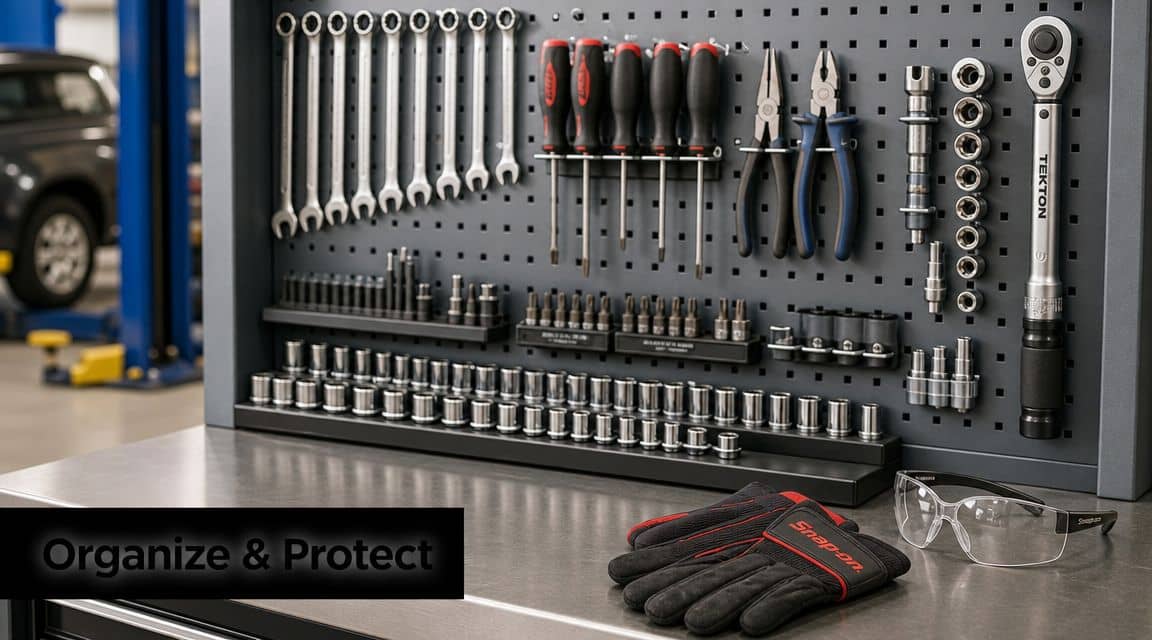
A car service tools kit is only useful if it's safe to use, easy to find, and still in good order when you need it. A lot of tool problems come from poor storage and rushed habits rather than wear alone.
Non-negotiable safety habits
A few rules should never get casual treatment:
Support the vehicle properly. If the car is raised, use axle stands on solid ground.
Keep the work area controlled. Chock wheels where needed and don't leave tools underfoot.
Disconnect power when appropriate. If you're doing electrical work, isolate the battery when the job calls for it.
Use the tool for its job. A screwdriver isn't a pry bar, and pliers aren't a substitute for the right socket.
A tidy setup helps here. Good organisation reduces rushing, and rushing causes injuries.
Look after the kit so it stays accurate
Wipe tools down after use. Dry anything that's picked up moisture. Keep sockets and bits back in their marked places. Ratchets last longer when they aren't stored filthy, and torque wrenches deserve careful handling and proper storage.
If you want ideas for keeping everything contained and easier to reach, it's worth looking at dedicated tool storage options rather than relying on whatever old box happens to be in the shed.
A short practical walkthrough can help if you're improving your setup at home: Top 10 Emergency Items to Have in Your Car
The payoff is simple. Clean, organised tools make every job quicker, and they make you more likely to use the kit properly instead of improvising with the wrong thing.
If you're building or upgrading a car service tools kit, GSF Car Parts is one UK option for sourcing tools, storage, consumables, and the service parts that go with the jobs your kit lets you do.